Our responsibility extends beyond the products we manufacture; it’s reflected in how we run our operations every day. With a decentralized network of manufacturing and distribution facilities across the country, we limit transportation distances, lowering fuel consumption and emissions. Our vehicle fleet incorporates fuel-saving technologies such as electronic engine monitoring, allowing us to gather data and encourage more efficient driving behaviors. Additionally, we have modernized lighting in our offices and production facilities to further reduce energy use.
We also strengthen our environmental efforts by collaborating with suppliers and organizations that share our dedication to sustainability. Through these partnerships, we expand our reach and amplify our positive impact, helping create a healthier environment for generations to come.
At Union Corrugating, environmental sustainability is a core priority, and we focus our efforts in three key areas:
1. Sustainable Products: We manufacture products designed to reduce the environmental impact of the buildings they support while educating customers and industry partners about their sustainability advantages.
2. Responsible Operations: Across every part of our organization, we actively track our environmental footprint and empower employees to support reduction efforts through ongoing guidance.
3. Collaborative Partnerships: We collaborate with organizations that share our dedication to sustainability and responsible business practices to help drive meaningful progress.
A majority of Union Corrugating products are produced using steel, recognized globally as one of the most recyclable materials available. Our steel features a minimum of 30% recycled content and is virtually 100% recycable once its long lifespan is complete, helping reduce overall material waste.
Union Corrugating residential metal roofing is also a greener alternative to conventional asphalt shingles. Recycling rates for asphalt shingles remain low, resulting in significant landfill accumulation. Additionally, asphalt is petroleum-based, contributing to ongoing fossil fuel consumption. These factors make steel a smarter, more sustainable option for environmentally conscious construction.

Union Corrugating products are designed with long-term performance in mind, providing extended life spans compared to many traditional building materials. Products that minimize the need for replacement throughout a structure’s lifetime are widely considered more cost-effective and sustainable. This durability makes Union Corrugating solutions both economically smart and environmentally beneficial.
According to the Metal Roofing Alliance, metal roofing systems typically last at least two to three times longer than standard roofs. When installed correctly and maintained regularly, homeowners can expect a metal roof to endure for 40–60 years or longer.
In contrast, asphalt roofing usually offers an average service life of 12 to 20 years, often influenced by roof pitch and local weather patterns. Because asphalt shingles are manufactured from petroleum-based materials like fiberglass or oil-treated paper, they begin to degrade once subjected to normal environmental exposure. Metal roofs do not decompose and require only basic yearly maintenance to remain in excellent condition
Other roofing types, including wood shingles, shakes, and tile, present their own durability concerns. Wood roofs frequently need replacement before reaching the 20-year mark, while concrete tiles can experience cracking or warping in climates with repeated freezing and thawing.
Metal roofing surpasses these materials by maintaining its durability and visual appeal year after year, making it a dependable solution for long-term building performance.
Union Corrugating architectural metal roof and wall panels function as the outermost element of a high-performance, energy-efficient building envelope. Their use can contribute to achieving LEED credits as part of a building certification strategy.
The information provided is meant to help architects and design teams evaluate material options that support project goals, referencing LEED v5 criteria for New Construction and Major Renovation projects.
| Credit Category | Credit Name | How to Earn | Metal Sales Contribution |
|---|---|---|---|
| SSc5 | Heat Island Reduction | Use roofing materials that have an aged solar reflectance index (SRI) value equal to or greater than 64 for low-sloped (≤2:12) and 32 for steep-sloped (>2:12) roofs. | Many of our color offerings meet the SRI requirements for steep sloped roofs and a few meet the requirement for low sloped roofs.
See the Color Chart for specifics. |
| MRc1 | Building and Materials Reuse | Reuse at least 20% of existing building structure and enclosure elements. | Panels can be used in retrofit projects for roof replacement and façade renewal. |
| MRc4 | Building Product Selection and Procurement | Use products and materials that have sustainability information available and that have environmentally, economically, and socially preferable impacts. | Typical minimum average recycled content in steel products is 25% for standard steel and 92% for structural steel. |
| MRc5 | Construction and Demolition Waste Diversion | One point for diverting 50% of construction and demolition debris from the landfill.
OR Two points for diverting 75% of construction and demolition debris from the landfill. |
Excess and scrap steel is 100% recyclable and can be diverted from landfill as part of a construction waste management program. |
Union Corrugating is committed to innovating solutions that make it easier to incorporate renewable energy technologies into our product offerings and structural systems. Our metal roofing is able to support straightforward integration with polycrystalline and thin-film photovoltaic systems, small-scale wind turbines, solar heating applications, and rainwater harvesting setups.
These compact, lightweight yet high-performing devices can be securely mounted to the standing seams of Union Corrugating roof systems. They are installed using specially designed clips that preserve the roof’s weathertight performance by eliminating the need to penetrate the metal panels. The system also retains its ability to expand and contract naturally as temperatures fluctuate.
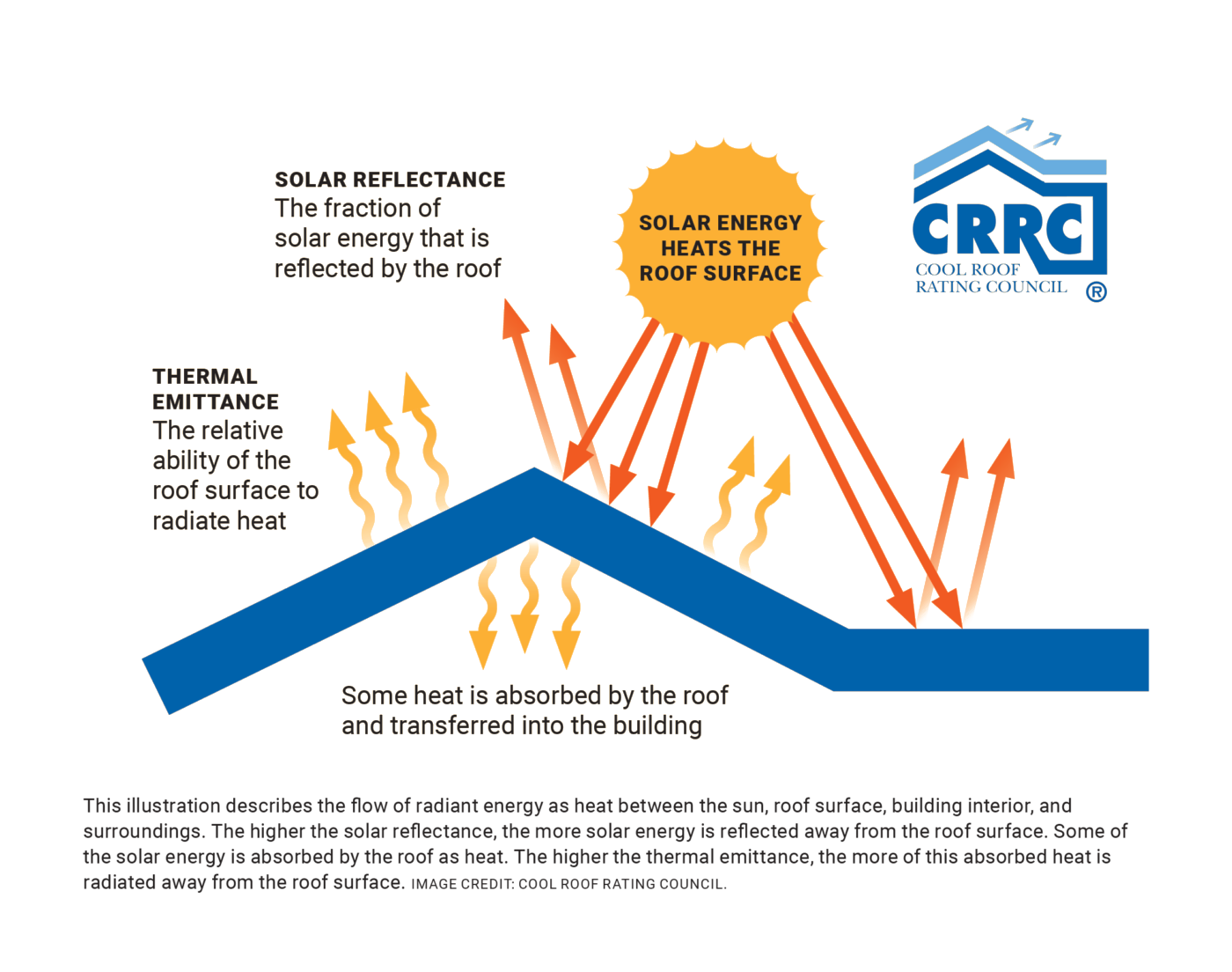
The sun beating down on a roof is obviously the primary source of unwanted solar heat gain in a building. Cool coating technology helps to significantly reflect the sun’s energy away from a building. Learn more about Cool Roof benefits available with Union Corrugating metal panel.
While solar power technology delivers impressive performance, it also introduces additional load requirements. Union Corrugating structural standing seam roofing systems are built to provide the structural capacity necessary for extensive PV panel installations.
Polycrystalline photovoltaic panels are mounted to the standing seams with custom-engineered clips that eliminate the need to penetrate the metal roofing panels, preserving the roof’s weather resistance.
This attachment approach also ensures the roof can expand and contract without restriction during temperature shifts, supporting reliable, lasting performance.
Designed for compatibility, this technology is a strong fit for Union Corrugating standing seam roofing systems. Lightweight and flexible PV laminate rolls are produced to adhere smoothly to the flat sections of each roof panel, creating an efficient installation process.
While this alternative maintains the sleek visual profile of standing seam metal roofs, it may not achieve the same energy output as polycrystalline panels in areas that receive less consistent sun exposure.
Renovating and reusing buildings often provides environmental benefits over constructing new facilities. Union Corrugating systems further enhance these projects by improving their economic viability, making retrofits a smart long-term investment.
Union Corrugating Retro-R® metal roofing systems are designed to install directly over outdated or inefficient roofs. By utilizing the existing roof as a structural base, these systems eliminate the need for full removal, reducing labor and disposal costs. They can be applied over existing R-panel metal roofing or asphalt shingle surfaces.
Facade improvements can be completed cost-effectively with lightweight Union Corrugating wall panels functioning as rainscreen cladding. Installation includes placing continuous insulation over existing masonry or EIFS substrates, followed by adjustable vertical subgirts that provide attachment points and help align uneven walls. The result is a clean, updated exterior with newly installed lightweight panels.
Our 35+ manufacturing facilities throughout the continental U.S. and Alaska allows Union Corrugating to produce materials closer to installation sites. This regional approach reduces transportation distances, cuts fuel usage, and supports more efficient delivery logistics.